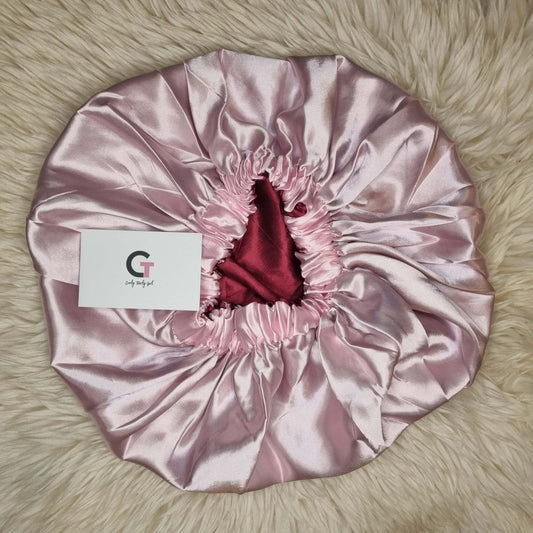

A satin hair bonnet reduces friction, prevents frizz, protects blowouts, and keeps your hair healthier overnight, whatever your texture.
If you have ever woken up with flat, frizzy, or knotted hair after a fresh blowout, you already know the problem. Cotton pillowcases are rough on hair they create friction, absorb moisture, and leave straight hair looking anything but. A satin bonnet solves all of that overnight.
Bonnets have long been associated with curly and natural hair care, and for good reason but they are genuinely useful for every hair type. Straight, fine, colour-treated, chemically relaxed if you have hair, a bonnet can protect it.
In this article
Why straight hair benefits from a satin bonnet
You might associate bonnets with natural hair routines, but the science behind them applies to all hair types equally. Here is what a satin bonnet actually does for straight hair:
1. Preserves your blowout or straightened style
If you have ever spent 45 minutes straightening your hair only to have it puff up overnight, you know the frustration. Sleeping on a cotton pillow creates friction that disrupts your style as you move in your sleep. A satin bonnet lets your hair glide rather than snag, so you wake up far closer to how you went to bed.
2. Reduces frizz
Even straight hair frizzes. Cotton pillowcases roughen the hair cuticle, which is what causes that halo of frizz in the morning. Satin is smooth, so the cuticle stays lying flat meaning smoother, shinier hair when you wake up.
3. Prevents breakage and split ends
Overnight friction is one of the most underrated causes of hair breakage. Every time you roll over, your hair is being pulled and tugged against rough cotton fibres. Over time this causes split ends, thinning, and breakage especially if your hair is fine, colour-treated, or chemically processed. A satin bonnet eliminates that friction entirely.
4. Locks in moisture
Cotton is absorbent great for towels, not so great for your hair. It pulls moisture from your strands as you sleep. Satin does not absorb moisture, so your hair retains what it needs overnight. This makes a real difference for dry, damaged, or colour-treated straight hair.
5. Protects colour-treated hair
If your straight hair is bleached, highlighted, or dyed, it needs extra care. Colour-treated hair is more porous and more prone to breakage. A satin bonnet reduces the mechanical damage that speeds up colour fade and causes treated ends to snap.
6. Extends time between washes
When your hair is protected overnight, it stays cleaner and fresher for longer. Less friction means less tangling, less product disruption, and less need to re-style which means fewer washes, less heat exposure, and healthier hair over time.

Looking for a satin bonnet? Find satin bonnets to protect all hair types here.
Shop Satin BonnetSatin bonnet vs cotton pillowcase — what's the difference?
| Feature | Satin Bonnet | Cotton Pillowcase |
|---|---|---|
| Friction on hair | ✓ Very low — hair glides smoothly | High — rough surface grabs hair fibres |
| Moisture retention | ✓ Keeps moisture in your hair | Absorbs moisture from hair overnight |
| Frizz prevention | ✓ Keeps cuticle smooth and flat | Roughens cuticle, causes frizz |
| Style preservation | ✓ Protects blowouts and straight styles | Disrupts style as you move in sleep |
| Breakage prevention | ✓ Eliminates overnight friction damage | Causes ongoing mechanical damage |
| Good for colour-treated hair | ✓ Reduces fade and breakage | Accelerates colour damage over time |
| Cost | ✓ One-off affordable purchase | Low upfront but ongoing hair damage adds up |
How to wear a bonnet with straight hair
The technique varies slightly depending on your hair length:
Short to medium-length straight hair
Simply gather your hair loosely and slip the bonnet over your head, making sure your ends are fully tucked inside. Do not pull the elastic too tight at the nape — you want it secure but not constricting.
Long straight hair
Try the loose pineapple method gently pile your hair on top of your head (no tight elastic, just loosely gathered) and then pull the bonnet over everything. This keeps the length protected without putting tension on the root. Make sure you are using a large bonnet with enough room for all your hair.
Freshly straightened or blown-out hair
Wait until your hair is fully cool before putting the bonnet on putting it on while your hair is still warm can cause it to set in a slightly bent shape. Once cool, loosely wrap your hair around your head following its natural fall, then gently place the bonnet over it.
Will a bonnet make my straight hair go wavy?
This is the most common concern and it is a fair one. The short answer is: not if you use the right bonnet and put it on correctly. The key factors are:
- Size matters a bonnet that is too small will cramp your hair and cause bends. Always use a large bonnet with plenty of room inside
- Do not scrunch your hair inside it lay your hair as smoothly as possible before putting the bonnet on
- Loose pineapple for long hair piling hair on top of your head loosely prevents it being compressed against your neck
- Make sure hair is dry and cool before wearing wet or warm hair is more vulnerable to reshaping overnight
Done right, a satin bonnet actually preserves straight styles far better than sleeping directly on a pillow does. Find the best hair bonnet for you.
What to look for in a satin bonnet for straight hair
- Large size — enough room for your hair to lie flat inside without being compressed or kinked
- Soft, wide elastic — should stay on securely without digging in at the hairline or nape
- Double-layered satin — more durable and better at maintaining shape wash after wash
- Smooth interior — run your hand inside; it should feel completely smooth with no rough seams
- Vegan materials — if that matters to you, check that your bonnet is cruelty-free (ours are)
Shop Curly Twirly Girl Satin Bonnets →
Looking for a satin bonnet? Find satin bonnets to protect all hair types here.
Shop Satin Bonnet
Frequently asked questions
Can people with straight hair wear bonnets?
Yes, absolutely. Bonnets are not hair-type specific. Anyone with any hair texture straight, wavy, curly, or coily can benefit from sleeping in a satin bonnet. The protection it offers against friction, frizz, and moisture loss applies universally.
Are bonnets good for straight hair?
Yes. For straight hair specifically, a satin bonnet is particularly good at preserving blowouts and straightened styles, reducing morning frizz, protecting colour-treated ends, and preventing the kind of overnight breakage that causes split ends over time.
What does a bonnet do for straight hair?
It creates a smooth, friction-free environment for your hair while you sleep. Instead of your hair rubbing against a rough cotton surface all night, it rests inside silky-smooth satin. The result: less frizz, less breakage, more moisture, and a better hair day when you wake up.
How do you keep your hair straight in a bonnet?
Use a large bonnet, make sure your hair is completely cool and dry before putting it on, and avoid scrunching or cramming your hair inside. For longer straight hair, the loose pineapple method works well — pile your hair loosely on top of your head before putting the bonnet on.
Is a silk or satin bonnet better for straight hair?
Both work well. Pure silk is more breathable and slightly gentler, but it costs significantly more. A high-quality double-layered satin bonnet offers the same friction-reducing benefits at a much more accessible price. For most people, satin is the better everyday choice.
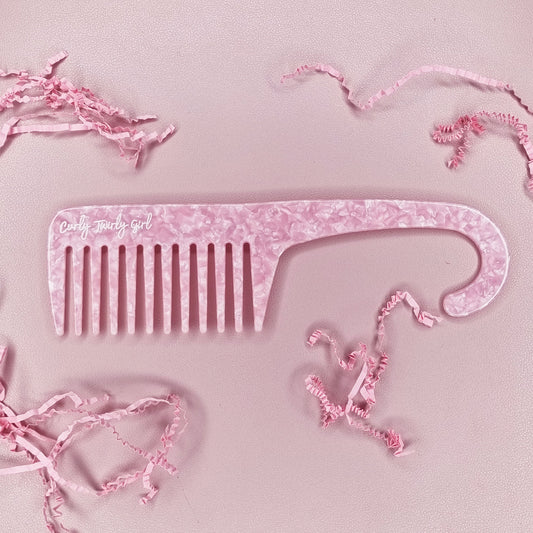
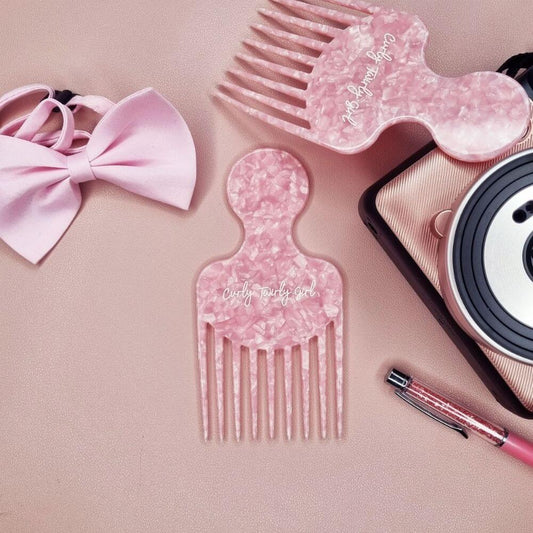
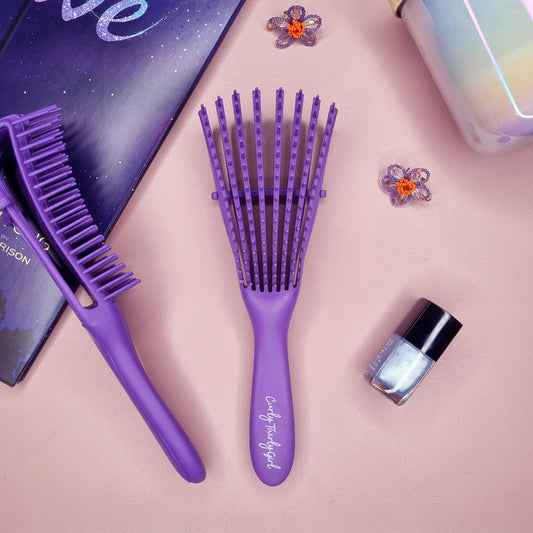
Shop all hair tools like a satin bonnet, and a wide tooth comb at Curly Twirly Girl.